

Our Speech and Language Therapy focuses on empowering children to communicate with confidence. We provide tailored support to help children navigate the complexities of language, ensuring they have the tools to connect with the world around them.
What to Expect

Play-Based Learning
We provide engaging, play-based sessions tailored specifically to your child’s unique communication needs. These activities include interactive games, storytelling, and role-play to make learning feel natural and fun.

Goal-Focused Care
Every child begins with a short assessment to set clear, individual goals. Whether in a 1-on-1 setting or a small group, sessions are typically 30–45 minutes to ensure focused and effective progress.

Home Strategies
Our therapists don’t just work with your child; they provide you with practical strategies for home practice. This ensures that the skills learned during the session are reinforced and practiced in everyday life.

Milestone Tracking
We focus on tracking your child’s progress and celebrating every milestone, no matter how small. Building confidence and motivation through positive reinforcement is at the heart of our therapy and development center.
Our Core Philosophy
We work across three primary areas to support your child’s development
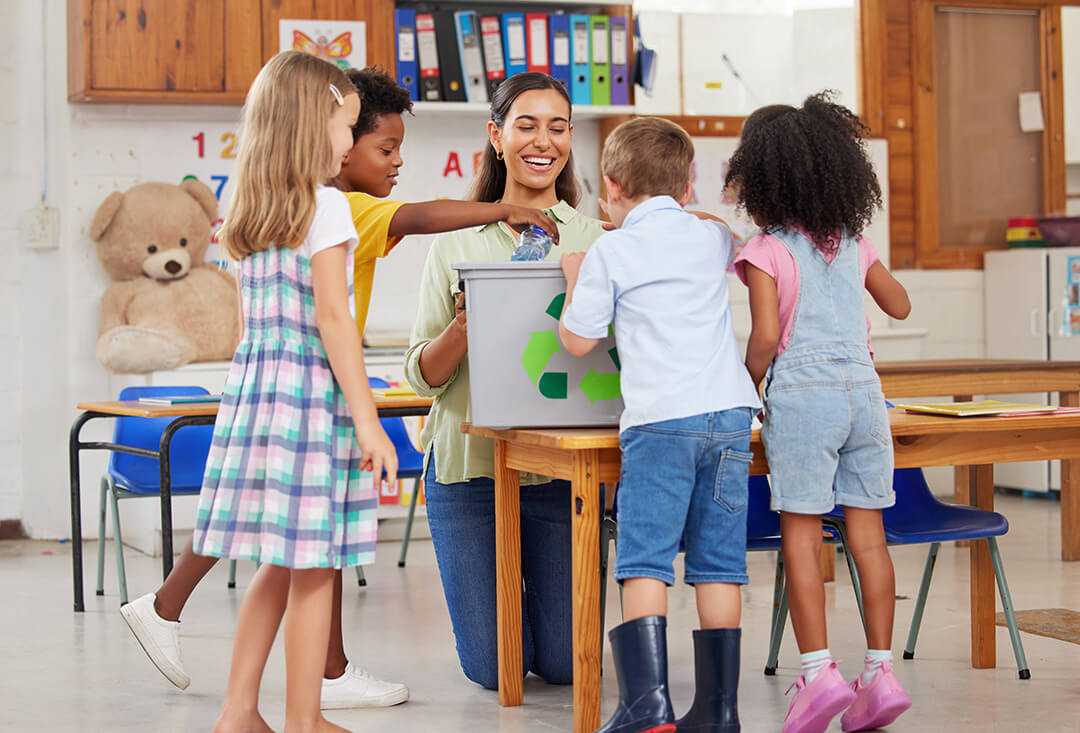
Communication Essentials
We strengthen comprehension (understanding others) and expression (sharing thoughts), helping children build robust vocabularies and clear sentence structures.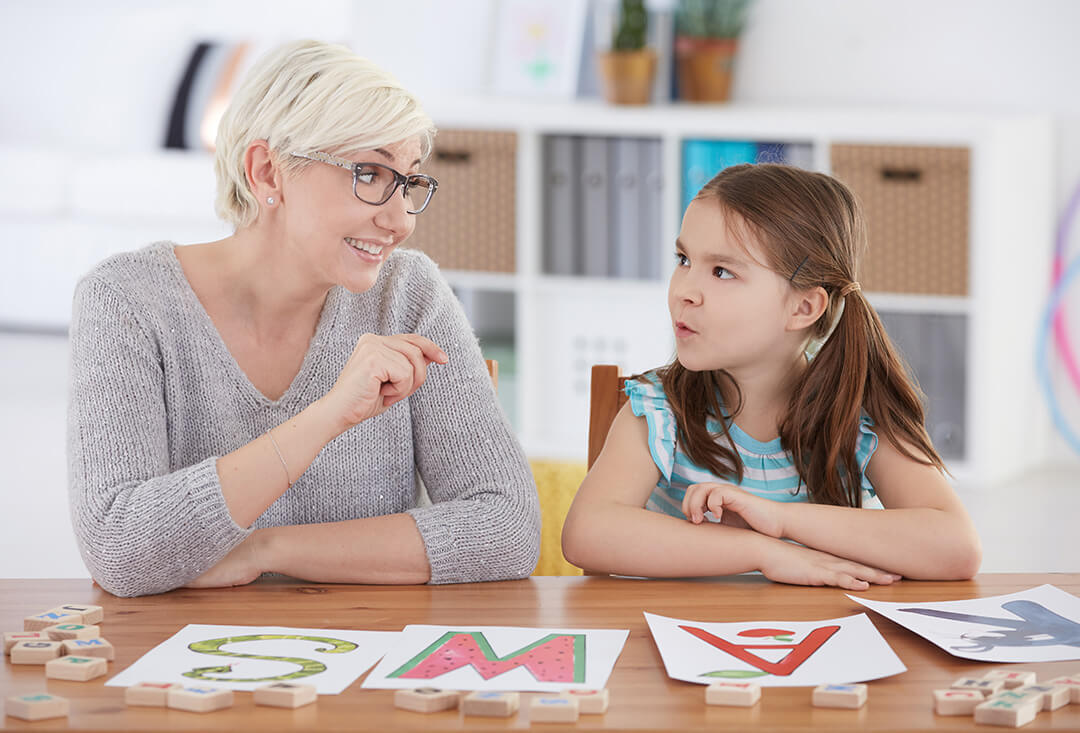
Speech Clarity
We use articulation exercises to help children produce sounds correctly. This improves clarity for peers and family. Mastery builds confidence to speak up and share their thoughts.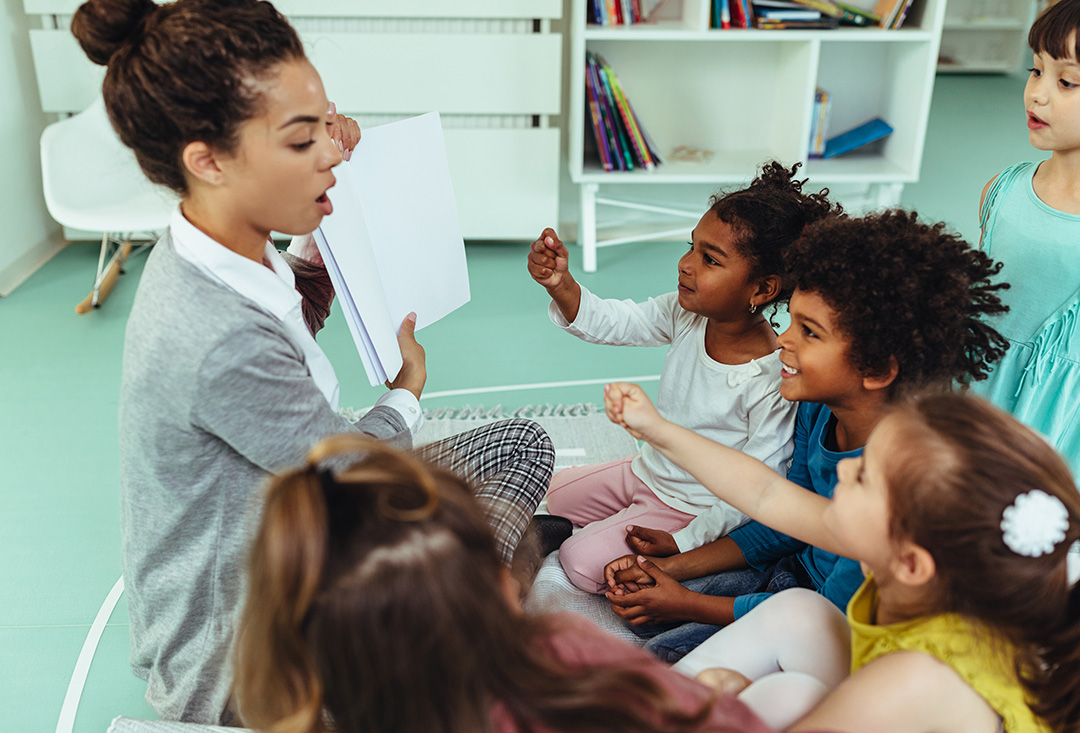
Social Connection
We foster essential social communication skills necessary for meaningful daily interactions, helping children engage confidently and effectively with their peers and adults.Parent Tips
We work across three primary areas to support your child’s development.

Name Objects & Repeat Sentences
Practice simple exercises by naming common household objects and encouraging the repetition of short, clear sentences. This builds a foundational vocabulary and improves muscle memory for speech.

Routine-Based Conversation
Turn daily routines, such as mealtimes, bath time, or car rides, into interactive sessions. Asking open-ended questions during these natural moments makes communication feel like play rather than a lesson.

Reading Aloud Together
Spend time reading books aloud, focusing on the sounds of words and the rhythm of language. This helps with auditory processing and helps individuals connect written words to spoken sounds.

Track Progress & Celebrate Milestones
Keep a simple log of progress and celebrate even the smallest improvements. Positive reinforcement and recognizing milestones, no matter how minor, are essential for building long-term confidence and motivation.