

At our center, we aim to provide an environment that supports focus, comfort, and meaningful communication. Our refreshments are selected to be professional, inclusive, and easy to enjoy during our sessions.
What to Expect

Group & Individual Matching
Based on an initial assessment, we match children with peers of similar developmental levels. This ensures that social practice is at the right challenge level to build confidence and joy.

Role-Playing & Real-World Scenarios
Sessions involve role-playing common scenarios, like joining a game or ordering food. These rehearsals help lower anxiety when your child encounters everyday real life situations.

Guided Social Coaching
Therapists act as social coaches, providing immediate, gentle feedback during interactions. This support helps children correct social miscues in a safe, non-judgmental daily space.

Naturalistic Learning Environments
While we use a therapy room, we mimic natural settings like classrooms or parks. This helps children generalize their new skills so they can use them at school and in varied playgrounds.
Our Core Philosophy
We work across three primary areas to support your child’s development
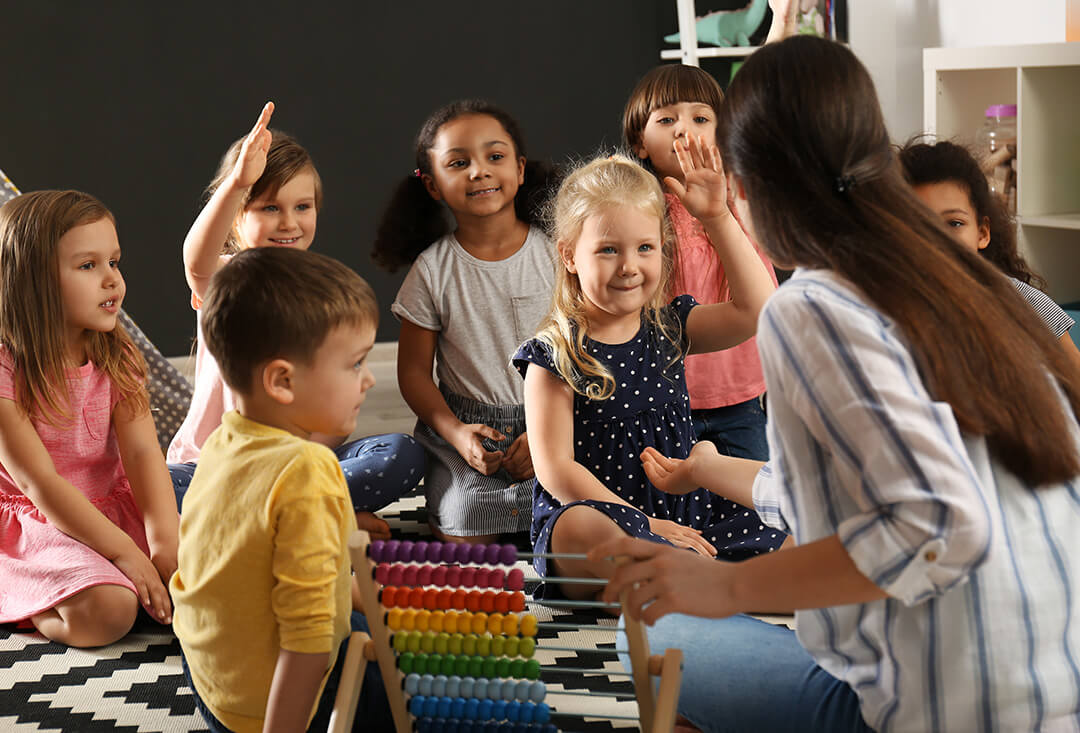
Social Cue Interpretation
We help children understand the “unspoken rules” of social interaction. This includes recognizing facial expressions, body language, and tone of voice, which allows them to better understand how others are feeling.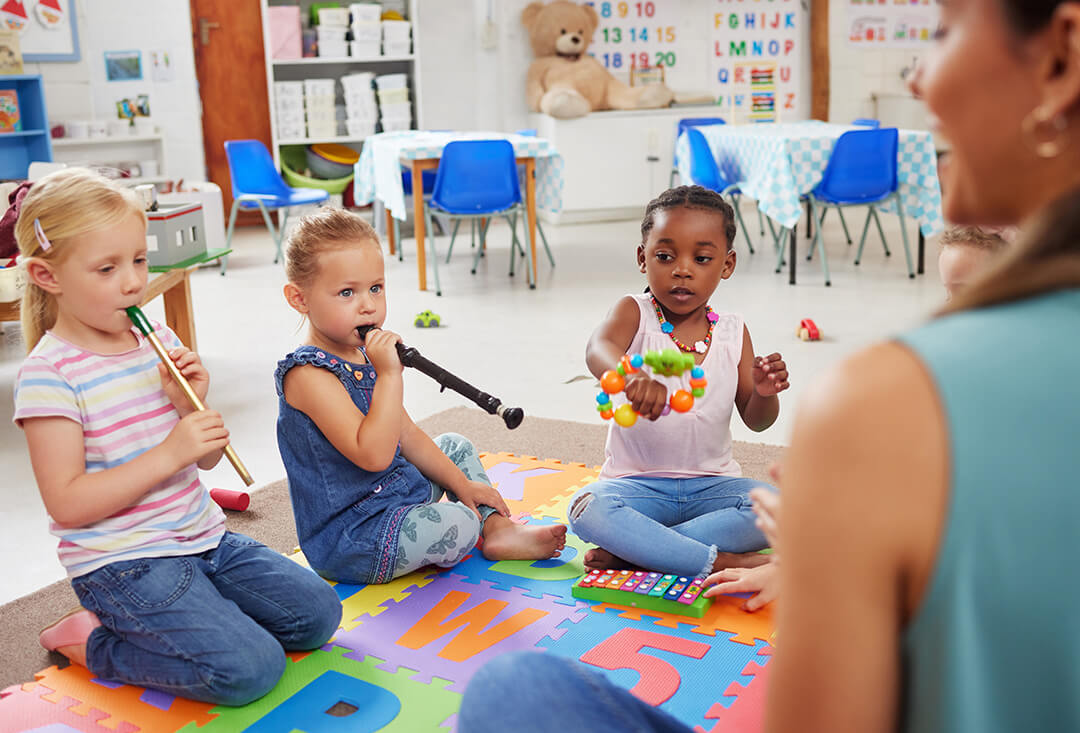
Collaborative Play & Sharing
We use group activities to practice essential playground skills. Children learn how to negotiate rules, share toys, and work together toward a common goal, making group environments less overwhelming.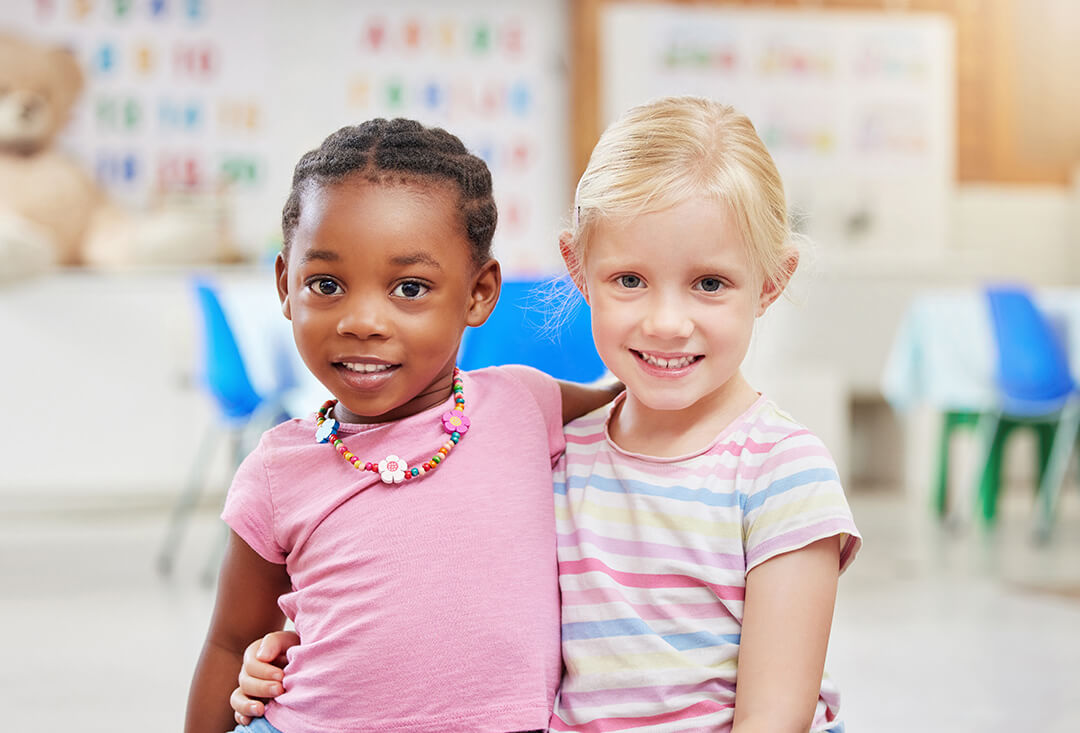
Emotional Problem Solving
We provide tools for navigating social conflicts. By practicing how to ask for help or resolve a disagreement calmly, children gain the resilience needed to handle complex social situations independently.Parent Tips
We work across three primary areas to support your child’s development.

Practice “Wait Time”
When talking to your child, count to five in your head before repeating. Giving them extra time to process social information helps them formulate a response without feeling rushed.

Use Narrative Praise
Instead of saying Good job, be specific about social wins. Try, I like how you waited for your friend to finish talking. This highlights exactly what they did right in that moment for you.

Arrange “Low-Pressur Playdates
Start with short, structured playdates with just one child. A specific activity like a puzzle or craft provides a shared focus and really reduces the pressure of constant talking for them.

Model “Thinking Out Loud”
Narrate your own social thoughts to help them understand you. For example, I will ask Grandma if she wants tea because she looks cold, teaches empathy and vital daily social cause-and-effect.