

Our approach goes beyond clinical sessions; we provide the bridge between therapy and real-world mastery. By utilizing Evidence-Based Practices (EBP), we don’t just teach skills—we change the way a child interacts with their environment.
What to Expect

Comprehensive Assessment
Each journey starts with a detailed assessment by a BCBA. We observe your child in varied settings to identify their unique strengths and the specific areas where they need support.

Data-Driven Individual Plans
We create a customized behavior plan with clear, measurable goals. Our therapists track progress in each session, allowing us to adjust the approach to ensure your child meets milestones.

Engaging 1-on-1 Sessions
Therapy is delivered in a high-energy, positive environment through 1-on-1 interactions. Sessions are fun and use each child’s natural interests to motivate learning and skill acquisition.

Collaborative Care Coordination
Our team approach is vital. Your BCBA will regularly meet with you to review all your progress and coordinate with other therapists to ensure a consistent and truly holistic experience.
Our Core Philosophy
We work across three primary areas to support your child’s development

Functional Communication Training
We focus on teaching children effective ways to express their needs and desires. By replacing challenging behaviors with functional communication-such as using words, signs, or pictures-we reduce frustration and help children connect more easily with those around them.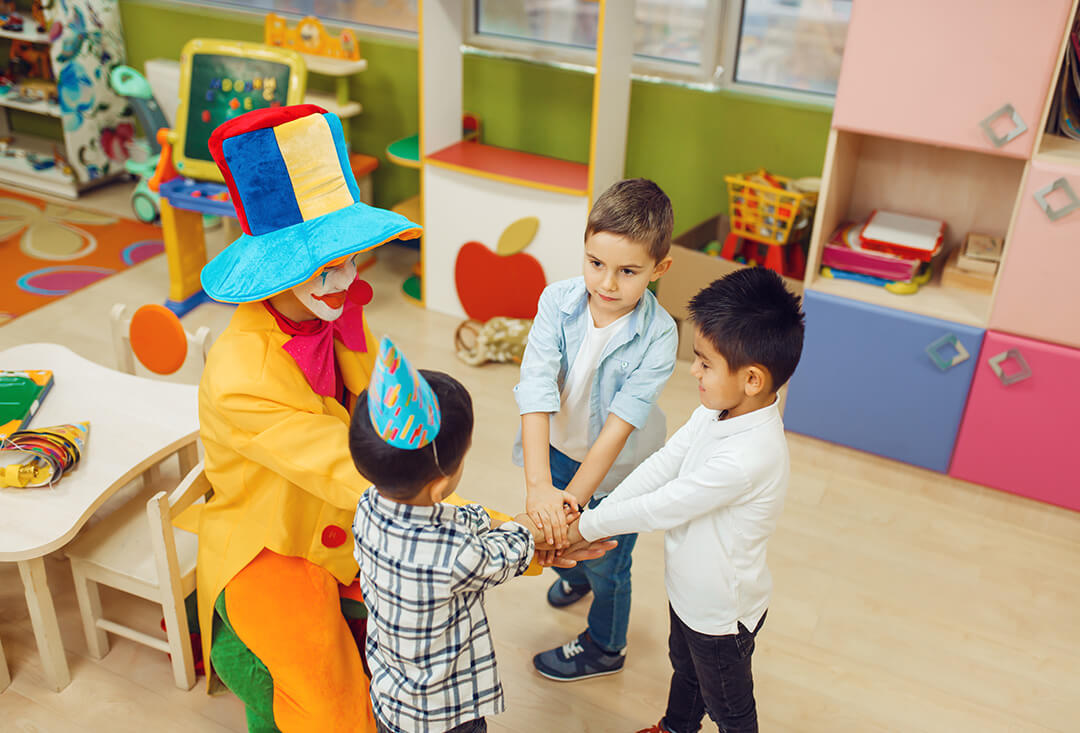
Social Skills Development
Our therapists guide children through the nuances of social interaction. We use structured play to teach essential skills like turn-taking, sharing, and understanding social cues, allowing children to build meaningful friendships in a supportive environment.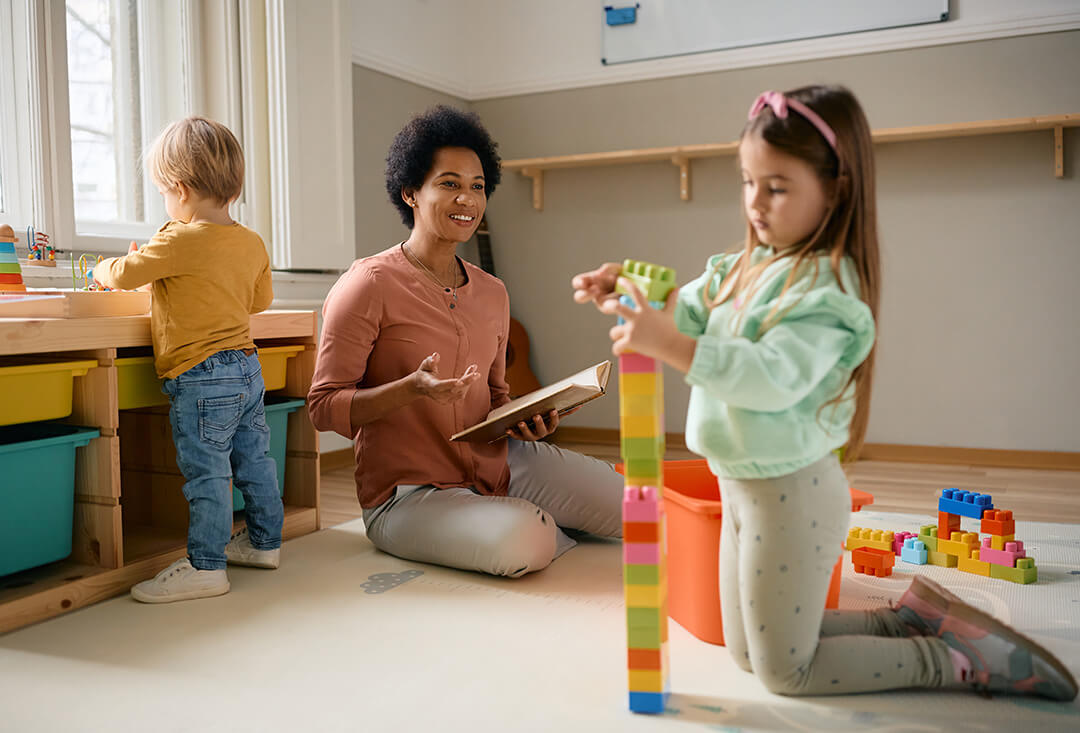
Behavior Regulation Strategies
We help children develop the tools to manage their emotions and responses to various environments. By identifying the “why” behind a behavior, we create personalized strategies that promote self-regulation and positive coping mechanisms.Parent Tips
We work across three primary areas to support your child’s development.

Use Positive Reinforcement
Catch your child being “good” and offer immediate, specific praise or a small reward. Focusing on positive actions encourages those behaviors to happen more often and builds a stronger bond of trust.

Establish Clear Routines
Children thrive when they know what to expect. Use visual schedules or simple timers at home to help with transitions, which reduces anxiety and prevents daily behavioral challenges.

Model Simple Language
When your child is frustrated, use short, clear sentences to model the words they might be feeling. Say ‘I see you are sad’ to help them label and eventually communicate all their emotions.

Be Consistent with Boundaries
Consistency is the key to behavior change. Ensure all caregivers follow the same strategies and respond to behaviors in the same way, as this clarity helps the child learn and adapt faster.